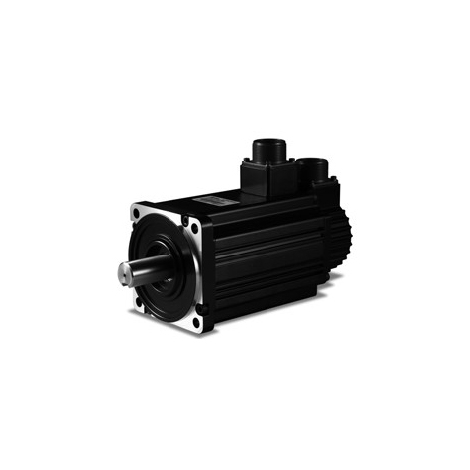
Servo electric motors offering precision and control. But how do you choose the right one for your application? With many factors at play, selecting the perfect motor can be challenging.
In this article, we’ll break down the key elements you need to consider when choosing a servo motor. You’ll learn how torque, speed, efficiency, and environmental factors influence motor selection, helping you make a more informed decision.
1. Understanding the Core Requirements of Your Application
Before diving into motor specifications, it's crucial to understand the application in detail. The right servo electric motor will depend on several factors, such as the torque required, speed, load characteristics, and operational environment.
Torque Requirements
Torque is the rotational force required to move a load. When selecting a servo motor, it’s vital to calculate the necessary torque based on the load, mechanical resistance, and operational demands.
Continuous Torque is the torque required to keep the motor running consistently without overheating. It’s essential to choose a motor that can maintain this torque throughout the application cycle.
Peak Torque represents the maximum force a motor can generate in short bursts, typically needed during startup or when overcoming resistance.
Acceleration Torque is needed when the motor must quickly change speed or overcome inertia.
Speed Specifications
Speed, typically measured in RPM (revolutions per minute), is directly related to the motor’s efficiency and performance. There’s a trade-off between speed and torque, meaning that the faster the motor runs, the lower the torque it can generate.
In some cases, speed can be adjusted using gears or transmission systems, but this must be considered in the overall motor selection.
Load Characteristics and Inertia
Inertia refers to the resistance an object offers to a change in its motion. Understanding the inertia ratio between the load and the motor is critical. A mismatch can lead to inefficient performance or system instability.
| Factor | Description |
| Torque Requirements | Calculate continuous torque, peak torque, and acceleration torque to ensure the motor can handle the load and remain efficient. |
| Speed Requirements | Consider the required RPM (revolutions per minute) to balance speed and torque. |
| Load Characteristics and Inertia | Understand the inertia ratio between the load and the motor to avoid performance instability. |
2. Choosing the Right Servo Motor Type
The type of servo electric motor you select will significantly impact its performance. Different types are better suited for specific applications. Here, we’ll compare the key types of servo motors.
DC vs. AC Servo Motors
Both DC and AC servo motors have their pros and cons, and the choice depends on your application.
DC Motors: Ideal for low-power applications that require precise control and bidirectional movement. They tend to be more compact and efficient at lower speeds.
AC Motors: Suitable for high-power and industrial applications, AC motors can handle larger loads and provide more consistent performance at higher speeds.
Brushless vs. Brushed Servo Motors
Brushless DC Motors are more efficient, require less maintenance, and last longer than their brushed counterparts. They’re ideal for high-precision tasks in industrial applications.
Brushed DC Motors are simpler and cheaper but require regular maintenance due to wear on the brushes.
Linear vs. Rotary Servo Motors
Linear Servo Motors provide direct linear motion, making them perfect for applications that require precise straight-line movement, such as in actuators or conveyors.
Rotary Servo Motors offer versatile, efficient performance for tasks that require rotational movement, such as robotics and CNC machines.
3. Key Environmental Factors Affecting Servo Motor Selection
Environmental conditions significantly affect the performance and longevity of your servo electric motor. It’s important to consider factors such as temperature, contamination, and vibration in your selection process.

Temperature Management
High temperatures can reduce a motor’s efficiency and damage its components. Motors designed to operate in extreme temperatures often come with additional cooling systems, such as liquid cooling.
Contamination and Vibration Resistance
Industries such as mining, paper mills, and oil rigs often expose motors to dust, dirt, and vibrations, which can impair performance.
Sealing: Motors used in harsh environments should have specialized seals or coatings to protect against contaminants.
Vibration Dampening: High levels of vibration can lead to inaccurate movements and system failure.
4. Efficiency and Power Considerations
Efficiency is critical when selecting a servo electric motor, especially for applications that run continuously or in energy-conscious environments.
Motor Efficiency
Efficiency refers to how much power the motor consumes relative to the torque it produces. A motor with high efficiency uses less energy, reducing operational costs.
Torque Constant (Kt): This value indicates the efficiency of the motor in converting electrical power into rotational force.
Windings: The way windings are configured in a motor (series or parallel) impacts efficiency. Lower speed windings are more efficient but may sacrifice speed capabilities.
Tip: For high-speed applications, select a motor with higher-speed capabilities, but for lower-speed, high-torque applications, look for one with better current efficiency.
Power Supply and Voltage Compatibility
Choosing the right voltage is essential for ensuring the motor operates efficiently and within its performance limits.
5. Accuracy and Control Systems Compatibility
For many applications, the precision of the motor's movements is paramount. A servo electric motor with good feedback mechanisms ensures real-time adjustments to maintain accuracy.
Feedback Mechanisms
Encoders and resolvers are commonly used feedback systems in servo motors. These devices send position, speed, and torque data back to the controller, allowing real-time adjustments.
6. Sizing and Integration: Finding the Right Fit
Selecting a properly sized servo electric motor is crucial to prevent inefficiency or damage to your system. Here’s how to size a motor correctly.
Motor Sizing Fundamentals
Correct motor sizing involves determining the required torque, speed, and load characteristics. A motor that is too large or too small can lead to operational issues.
Torque and Speed: Ensure the motor can provide the necessary torque at the required speed without overheating.
Inertia Matching: Properly match the motor’s inertia to the load’s inertia for optimal performance.
Gearboxes and Reducers
Many applications require gear reduction to match the speed and torque characteristics of the motor to the load.
Gear Ratios: Select the right gear ratio to increase torque while reducing speed to meet application demands.
Inertia Considerations: The right gear ratio also helps match the load’s inertia with the motor’s capabilities, improving system responsiveness.
| Sizing Factor | Description | Recommendation |
| Torque and Speed | The motor’s torque and speed need to match the load requirements to avoid overloading or overheating. | Ensure the motor can provide sufficient torque and maintain the required speed without overheating. |
| Inertia Matching | The inertia of the motor should be matched to the load’s inertia to avoid instability. | Keep the inertia ratio between the motor and load within a reasonable range (typically 3:1 to 10:1). |
| Gear Ratio | The gear ratio impacts the motor's torque output and speed. It must be chosen based on application needs. | Select an appropriate gear ratio to optimize torque and minimize speed. |
7. Cost and Long-Term Considerations
While the initial cost of a servo electric motor is important, it's equally essential to consider long-term operational costs and maintenance needs.
Initial Investment vs. Long-Term Cost Savings
High-quality motors may have a higher upfront cost but save money in the long run through better performance, efficiency, and durability.
Tip: Consider the total cost of ownership, including energy consumption, maintenance, and lifespan, when selecting a motor.
Maintenance and Lifespan
Most servo electric motors last for 20,000-30,000 hours under normal conditions. However, factors like improper maintenance or overuse can shorten their lifespan.
8. Conclusion
Selecting the right servo electric motor involves understanding key factors like torque, speed, load characteristics, and environmental conditions. Efficiency and precision are crucial for ensuring long-term performance. Companies like Shenzhen LAEG Electric Technologies Co., Ltd. provide high-quality servo motors designed to meet diverse industrial needs. Their products offer reliable, energy-efficient solutions tailored to optimize performance and reduce operational costs.