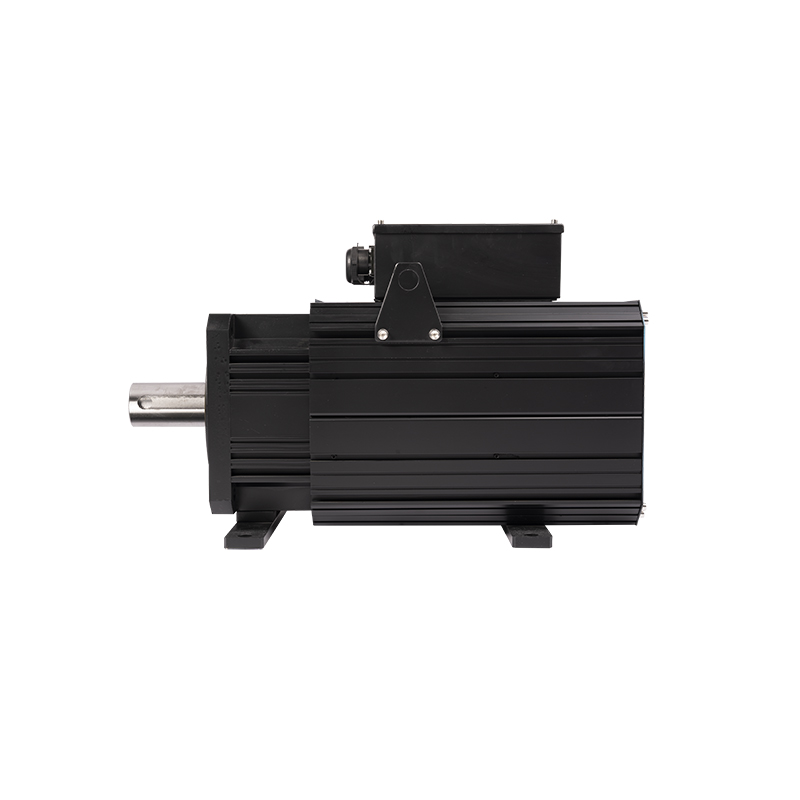
In modern manufacturing, precision is everything. How can we achieve the accuracy required for complex production processes? The answer lies in servo electric motors. These advanced motors offer unmatched control over speed, position, and force, making them essential in high-precision industries.
In this article, we will explore how servo electric motors improve precision in manufacturing. You'll discover how these motors enhance efficiency and ensure accuracy across various applications.
1. Introduction
The demand for precision in modern manufacturing has never been higher. Industries from automotive to aerospace require systems that can produce products with exact specifications. Traditional motors often fall short when it comes to maintaining high precision and reliability, particularly in fast-paced and complex environments. Servo electric motors offer a solution, providing exceptional control over speed, position, and force, which is essential for achieving the level of precision modern manufacturing demands.
This article will explore how servo electric motors contribute to enhanced precision in manufacturing processes, highlighting their components, advantages, and the range of applications where they make a significant impact.
2. Basic Working Principles of Servo Electric Motors
2.1 Structure and Components of Servo Electric Motors
A servo electric motor system is composed of several critical components that work together to ensure precision. These include the motor, reducer, encoder, and controller. Each component plays a specific role in controlling the motor's movement:
● Motor: The core component that converts electrical energy into mechanical movement.
● Reducer: This component adjusts the motor's speed to ensure the desired output.
● Encoder: Provides real-time feedback on the motor’s position, speed, and direction.
● Controller: Adjusts the motor's performance based on the feedback received, ensuring the motor operates precisely according to the input commands.
2.2 Control Loop and Feedback Mechanism
The core of a servo motor's precision lies in its closed-loop control system. The motor receives a command input (such as a desired position or speed), which is processed by the controller. The encoder then provides feedback on the motor’s current position or speed, allowing the controller to adjust the motor’s performance accordingly. This feedback loop ensures that the motor responds in real-time, making continuous adjustments to maintain accuracy.
2.3 Importance of Precise Control
The ability to maintain precise control is critical for high-accuracy applications. Servo electric motors are designed to operate in dynamic environments, where changes in load, speed, or position can occur rapidly. Their sophisticated control mechanisms allow them to adapt instantly, making them ideal for industries requiring fine control, such as robotics, aerospace, and CNC machining.
3. How Servo Electric Motors Enhance Precision in Manufacturing
3.1 High-Precision Positioning and Speed Control
Servo motors provide high-precision positioning and speed control, which are essential in many manufacturing processes. For example, in automated production lines, precise positioning ensures that parts are assembled in the correct sequence, minimizing the risk of errors. Servo motors can adjust the speed dynamically, ensuring that operations are completed at the optimal pace without compromising accuracy.
By continuously adjusting to feedback, servo motors can reduce the slightest deviations from the desired position or speed, providing a level of accuracy that is difficult to achieve with traditional motors.
3.2 Fast Response and Dynamic Performance
Another key benefit of servo electric motors is their fast response to input commands. In manufacturing environments where speed is critical, servo motors can react quickly to changing conditions. For example, during high-speed assembly or packaging processes, servo motors maintain precise control despite rapid changes in speed or load.
Their dynamic performance ensures that operations are smooth, reducing downtime and enhancing overall productivity.
3.3 Stability and Repeatability
Servo electric motors are known for their stability and repeatability. Even in environments where conditions fluctuate, such as varying load weights or fluctuating temperatures, servo motors maintain consistent performance. This stability ensures that high precision is achieved not just in the short term but also over prolonged periods, which is essential in mass production scenarios.
Tip:
Servo motors' ability to maintain precision over long production runs reduces the likelihood of defects, improving product quality and minimizing waste.

4. Applications of Servo Electric Motors in Modern Manufacturing
4.1 Automated Production Lines
In automated production lines, servo motors are used to power everything from robotic arms to conveyor belts. These motors ensure that components are placed accurately, reducing the chance of assembly errors. For industries like automotive and electronics, where high volume and precision are critical, servo motors enable fast, reliable, and efficient operations.
For example, in automotive manufacturing, servo motors control the movement of robotic arms that assemble parts with millimeter-level accuracy, ensuring every product meets strict quality standards.
4.2 CNC Machining and Precision Manufacturing
Servo motors are integral to CNC machines, which rely on precise motion control to shape materials into complex parts. In CNC machining, servo motors drive the tool movements, ensuring that cutting tools remain in the exact position needed to produce high-quality components. Their ability to maintain precision at varying speeds and under different load conditions is crucial for industries such as aerospace and metalworking.
4.3 Advanced Robotics Applications
Servo motors are at the heart of many robotic systems, providing the precision necessary for tasks like assembly, picking, and packaging. The precision control offered by servo motors enables robots to handle delicate components and perform intricate tasks with high efficiency. In medical applications, such as surgical robots, servo motors control the fine movements needed for precise procedures.
4.4 Aerospace and Medical Equipment
In aerospace, servo motors are used to control the positioning of critical flight systems, such as stabilizers and flaps. Their reliability and precision ensure that these systems function correctly in high-stakes environments. Similarly, in medical devices, servo motors enable accurate positioning in imaging equipment and robotic surgeries, where every movement must be precise to ensure safety and effectiveness.
5. Advantages and Comparisons of Servo Electric Motors
5.1 Precision Advantages over Traditional Motors
One of the most significant advantages of servo electric motors is their ability to achieve much higher precision than traditional motors, such as AC or DC motors. While traditional motors may struggle with maintaining position or speed under variable conditions, servo motors excel by continuously adjusting based on real-time feedback. This makes them ideal for industries where precision is paramount, such as aerospace and medical device manufacturing.
Feature | Servo Electric Motors | Traditional Motors |
Precision | High precision with real-time feedback | Limited precision, struggles with load changes |
Speed Control | Dynamic and adaptable speed control | Less flexible in speed control |
Efficiency | High efficiency, up to 90% under light load | Lower efficiency, especially under variable loads |
Response Time | Fast response to changes in load and speed | Slower response to load changes |
Application Range | Suitable for high-precision tasks like CNC, robotics | Used in less precise, steady-load applications |
5.2 Efficiency and Energy Savings
Servo electric motors are highly efficient, often reaching up to 90% efficiency under light load conditions. This high efficiency reduces energy consumption, which is particularly beneficial in industries focused on sustainability. In contrast, traditional motors may suffer from energy loss under variable loads, making servo motors a more energy-efficient solution.
Feature | Servo Electric Motors | Traditional Motors |
Efficiency | Up to 90% under light load conditions | Often lower, especially with variable loads |
Energy Usage | Operates only as needed, minimizing energy waste | Often operates continuously, even under low load |
Cost Savings | Reduced operational costs due to efficiency | Higher energy costs, less efficient over time |
5.3 Handling High Loads and Rapid Starts
Servo motors are designed to handle high loads and rapid starts, making them suitable for demanding applications. Unlike other motor types, servo motors can quickly accelerate to high speeds and maintain consistent torque under varying loads. This makes them particularly useful in applications like packaging and material handling, where quick starts and stops are frequent.
Note:
Servo motors' ability to handle rapid starts and high loads minimizes mechanical wear and extends system lifespan.
6. Future Trends of Servo Electric Motors
6.1 Integration with AI and Automation
The future of servo electric motors lies in their integration with artificial intelligence (AI) and automation. As manufacturing becomes more intelligent, servo motors will incorporate advanced features like fault diagnosis, predictive maintenance, and remote monitoring. This will further enhance their precision and reliability, making them even more indispensable in high-tech manufacturing environments.
6.2 Eco-friendly and Green Manufacturing
As industries strive for more eco-friendly operations, servo motors will play a critical role in reducing energy consumption and supporting green manufacturing. Their high efficiency and ability to operate only when necessary make them a key technology for manufacturers looking to reduce their carbon footprint.
6.3 Continuous Innovation and Technological Advancements
Innovation in servo motor technology is expected to continue, with advancements in materials, control systems, and efficiency. As these technologies evolve, servo motors will become even more integrated into automated, smart manufacturing systems, driving the next generation of precision manufacturing.
7. Conclusion
In modern manufacturing, precision is key. Servo electric motors offer unmatched control, ensuring accuracy in various applications. Their ability to provide high-speed, precise movement makes them essential in industries like robotics, aerospace, and CNC machining.
At Shenzhen LAEG Electric Technologies Co.,Ltd., their advanced servo motor solutions enhance production efficiency. Their products provide reliable performance, making them valuable assets for precision-driven industries.
FAQ
Q: What are servo electric motors?
A: Servo electric motors are specialized motors that offer precise control over speed, position, and force. They are essential in applications requiring high accuracy, such as robotics and CNC machining.
Q: How do servo electric motors improve precision in manufacturing?
A: Servo electric motors provide high precision by adjusting in real-time based on feedback. This allows for accurate positioning and speed control, crucial in high-precision manufacturing environments.
Q: Why are servo electric motors preferred over traditional motors in modern manufacturing?
A: Servo electric motors offer superior accuracy, fast response, and high efficiency, making them ideal for demanding applications in industries like aerospace, medical, and robotics.
Q: How do servo electric motors work?
A: Servo electric motors use a feedback loop system, where the encoder monitors position, and the controller adjusts the motor’s performance to maintain precision and stability.
Q: What are the advantages of using servo electric motors in industrial automation?
A: Servo electric motors enhance precision, increase productivity, and reduce energy consumption. They are also more adaptable to fluctuating loads and rapid starts than traditional motors.
Q: Are servo electric motors expensive?
A: While servo electric motors may have a higher initial cost than traditional motors, their precision, efficiency, and reliability can lead to significant long-term savings and improved production quality.