1. Introduction
In today's industrial landscape, energy efficiency is more critical than ever. But how can businesses reduce their energy consumption without compromising on performance? The answer lies in Servo Electric Motors.
This article will explore the energy efficiency benefits of Servo Electric Motors in industrial automation. You'll discover how these advanced motors are transforming operations, reducing costs, and driving sustainability.
In this post, we’ll break down how Servo Electric Motors help industries operate more efficiently, saving both energy and money.
2. Basic Overview of Servo Electric Motors
2.1 Definition and Types of Servo Motors
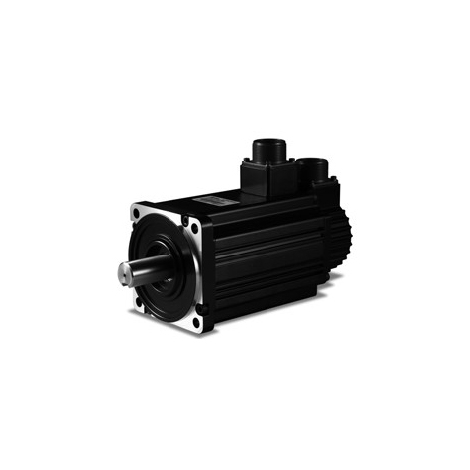
Servo electric motors are specialized motors designed to provide precise control over speed, position, and torque. These motors are typically used in applications where high precision and reliability are critical, such as robotics, CNC machinery, and automated production lines.
There are two main types of servo electric motors:
AC Servo Motors: These are commonly used due to their high performance and efficiency. They are ideal for applications that require smooth operation and high speeds.
DC Servo Motors: Known for their simple control systems and high torque at low speeds, these motors are typically used in smaller applications.
Both types of motors utilize a feedback system that continuously monitors the motor’s performance and adjusts accordingly, ensuring precise operation.
2.2 Comparing Servo Motors with Traditional Motors
Compared to traditional AC and DC motors, servo electric motors offer several advantages:
Energy Efficiency: Servo motors consume power only when needed, reducing waste compared to conventional motors, which often run continuously.
Precision: Servo motors provide more accurate control of position and speed, crucial in processes where consistency is essential.
Reduced Wear and Tear: The continuous feedback mechanism helps avoid unnecessary energy usage, which leads to less wear on the motor and longer operational life.
By using servo electric motors, industries can drastically cut energy consumption and improve productivity.
| Feature | Servo Electric Motors | Traditional Motors |
| Energy Efficiency | High efficiency, adjusts power based on demand | Generally lower efficiency, often cannot adjust to demand |
| Power Adjustment | Dynamically adjusts to reduce unnecessary energy consumption | Fixed power output, not adaptable to load variations |
| Energy-Saving Features | Uses power only when needed | Runs continuously, leading to more energy waste |
| Maintenance Cost | Lower, longer lifespan | Higher, more prone to breakdowns and wear |
| Application Range | Ideal for precision and dynamic response needs | Suitable for applications with minimal load changes |
3. Energy Efficiency Advantages of Servo Electric Motors in Industrial Automation
3.1 High-Efficiency Design and Energy-Saving Features
Servo electric motors are designed to optimize energy use. Their high-efficiency design enables them to deliver maximum performance without excessive energy consumption. Unlike traditional motors, which often run at full capacity, servo motors adjust power output in real time based on load and demand.
For instance, if a machine or robotic arm doesn’t need full speed, the servo motor will reduce power consumption by slowing down. This dynamic power regulation ensures that the motor operates at the optimal efficiency for the task at hand, preventing wasted energy.
3.2 Dynamic Response and Energy-Saving Operation
One of the standout features of servo electric motors is their ability to respond dynamically to load changes. When an industrial machine or system experiences fluctuations in load, the servo motor adapts its power output immediately to meet the demand. This rapid response reduces energy waste, especially in systems with varying load conditions.
For example, in a packaging line, servo motors adjust their speed and power based on the material being processed. The motor uses less power during low-demand tasks and ramps up when heavier items are involved, ensuring efficiency throughout the process.
3.3 High-Efficiency Performance Under Varying Loads and Speeds
Many industrial automation systems require motors that can perform efficiently across varying speeds and loads. Servo electric motors excel in this area by maintaining high efficiency regardless of operational conditions. This performance is particularly beneficial in industries where machines need to switch between different operational speeds frequently.
For example, in CNC machines, where precision is critical, servo motors maintain efficient power delivery even when the machine changes speed or load during the cutting process. This capability ensures minimal energy wastage and enhances productivity.

4. Real-World Applications of Servo Electric Motors' Energy Efficiency
4.1 Automated Production Lines
In automated production lines, servo motors are used to drive conveyors, robotic arms, and other critical systems. These motors provide precise control over speed, position, and torque, making them ideal for applications where accuracy is crucial.
For instance, in automotive manufacturing, servo motors are employed to control assembly robots that handle delicate components. The motors adjust their power output depending on the task, reducing energy consumption and ensuring high accuracy.
4.2 CNC Machines and Servo Motors
Servo electric motors play a vital role in CNC machines, where high precision is essential for tasks like milling, turning, and drilling. The motors ensure that the cutting tool operates at the correct speed and position, optimizing both performance and energy use.
CNC machines equipped with servo motors consume less power compared to traditional motors, particularly during idle or low-speed operations. This energy-efficient operation reduces operating costs and enhances the lifespan of both the motor and the machine.
Tip: For industries relying on precision machining, servo electric motors can significantly cut energy costs while enhancing output quality and consistency.
4.3 Robotics Applications
In industrial robotics, servo motors are used to control the movement of robotic arms, enabling them to perform tasks like assembly, welding, and painting. The ability of servo motors to provide precise, energy-efficient control over movement is critical in applications that require high accuracy and flexibility.
Robotic arms, powered by servo motors, adjust their power usage based on the task. Whether performing a delicate assembly or lifting heavy components, these motors ensure optimal energy efficiency and smooth operation, leading to reduced energy costs and improved performance.
| Application Area | Specific Use Case | Energy Efficiency Benefits |
| Automated Production Lines | Robotic arms, conveyors, etc. | High precision control and energy-saving design improve production efficiency and reduce energy consumption |
| CNC Machines | Precision cutting, milling, etc. | Efficient performance, minimizing energy waste during idle and low-speed operations |
| Robotics | Motion control in robotic systems | Precise load control optimizes energy use, reducing waste |
5. Combined Benefits of Energy Efficiency and Increased Productivity
5.1 Boosting Production Efficiency
By incorporating servo electric motors into industrial automation systems, manufacturers can boost production efficiency. The high precision of servo motors ensures faster cycle times and fewer errors, leading to improved productivity.
For example, in automated packaging systems, servo motors can operate faster without sacrificing precision. This efficiency leads to increased throughput and reduced downtime, ensuring that production lines run smoothly.
5.2 Reducing Energy Consumption and Operational Costs
The energy-efficient nature of servo motors translates directly into reduced operational costs. These motors only use power when necessary, avoiding the constant energy drain seen with traditional motors that run at full capacity all the time.
By switching to servo electric motors, companies can reduce their energy bills significantly. Moreover, the reduced wear and tear on the motors result in lower maintenance costs and longer machine lifespans.
6. Future Trends: Further Improvements in Energy Efficiency for Servo Motors
6.1 Integration with AI and Automation
The future of servo electric motors in industrial automation is closely tied to the integration of artificial intelligence (AI) and the Internet of Things (IoT). These technologies enable servo motors to become even more efficient by optimizing energy usage based on real-time data and predictive analytics.
AI and IoT-enabled systems can monitor motor performance, detect inefficiencies, and make adjustments autonomously, further enhancing energy savings. This smart automation will drive even greater efficiency and reduce operational costs across industries.
6.2 Sustainability and Green Manufacturing
As industries shift toward more sustainable practices, servo motors will play a pivotal role in promoting green manufacturing. Their energy efficiency directly contributes to lowering carbon emissions, making them an essential component of eco-friendly production processes.
In the future, manufacturers will increasingly rely on servo electric motors to meet sustainability goals. The continued development of energy-efficient motors will enable industries to reduce their environmental impact while maintaining high production standards.
7. Conclusion
Servo Electric Motors offer substantial energy efficiency benefits in industrial automation. Their ability to adjust power use based on demand significantly reduces energy consumption. This leads to lower operational costs and enhanced productivity. Shenzhen LAEG Electric Technologies Co.,Ltd. provides innovative servo motor solutions designed for optimal performance and energy savings. Their products help industries achieve greater efficiency and sustainability in their automation systems.
FAQ
Q: What are Servo Electric Motors and how do they improve energy efficiency in industrial automation?
A: Servo Electric Motors are advanced motors that provide precise control over speed and position. Their ability to adjust power output based on real-time demand helps reduce energy consumption, making them highly efficient in industrial automation.
Q: Why should I choose Servo Electric Motors over traditional motors for my automation systems?
A: Servo Electric Motors are more energy-efficient than traditional motors. They only use power when necessary, reducing operational costs and improving overall system efficiency.
Q: How do Servo Electric Motors contribute to sustainability in industrial automation?
A: By minimizing energy waste and improving energy efficiency, Servo Electric Motors help reduce overall energy consumption, which contributes to a more sustainable and eco-friendly manufacturing process.
Q: Are Servo Electric Motors cost-effective in the long term?
A: While Servo Electric Motors may have a higher upfront cost, their energy efficiency and longer lifespan lead to significant savings in operational costs over time, making them cost-effective in the long term.
Q: Can Servo Electric Motors be used in all types of industrial automation systems?
A: Yes, Servo Electric Motors are versatile and can be used in various applications, including CNC machines, robotics, and automated production lines, providing energy-efficient performance across different systems.
Q: How do Servo Electric Motors perform under varying load conditions?
A: Servo Electric Motors excel in maintaining high efficiency even under fluctuating loads. Their dynamic response ensures optimal power use, preventing energy waste and maintaining precision across tasks.