Have you ever wondered how electric motors work? These essential devices power everything from household appliances to electric vehicles.
In this article, we’ll explore whether electric motors contain permanent magnets and their role in enhancing efficiency.
You’ll learn about different types of permanent magnet motors and their applications in various industries.
Understanding Electric Motors
What is an Electric Motor?
Electric motors are devices that convert electrical energy into mechanical energy. They play a crucial role in our daily lives, powering everything from fans to electric vehicles. The basic working principle involves electromagnetic induction, where a current flowing through a wire creates a magnetic field. This magnetic field interacts with other magnets, causing the rotor to turn and produce motion.
There are two main types of electric motors: AC (Alternating Current) and DC (Direct Current) motors.
● AC Motors: These motors are powered by alternating current and are commonly used in household appliances and industrial applications.
● DC Motors: These operate on direct current and are often found in battery-powered devices, offering precise control over speed and torque.
Components of Electric Motors
Electric motors consist of several key components, each playing a vital role in their operation:
1. Stator: The stationary part of the motor that generates a magnetic field.
2. Rotor: The rotating part that turns when the magnetic field interacts with it.
3. Windings: Coils of wire that carry current and create magnetic fields.
4. Housing: The outer casing that protects the internal components.
The Role of Magnets in Electric Motors
Magnets are essential in electric motors. They enhance efficiency and performance by creating strong magnetic fields. In permanent magnet motors, permanent magnets replace traditional electromagnets, leading to several advantages:
● Higher Efficiency: Permanent magnet motors often operate at higher efficiency levels than their AC or DC counterparts. This means less energy is wasted as heat.
● Compact Design: They are typically smaller and lighter, making them ideal for applications where space is limited.
● Improved Torque: Permanent magnets provide consistent torque, which is crucial for applications requiring precise control.
Key Takeaway
Understanding electric motors and their components helps us appreciate how they work. By exploring the differences between AC and DC motors, as well as the important role of magnets, we can see why permanent magnet motors are becoming increasingly popular in various applications.
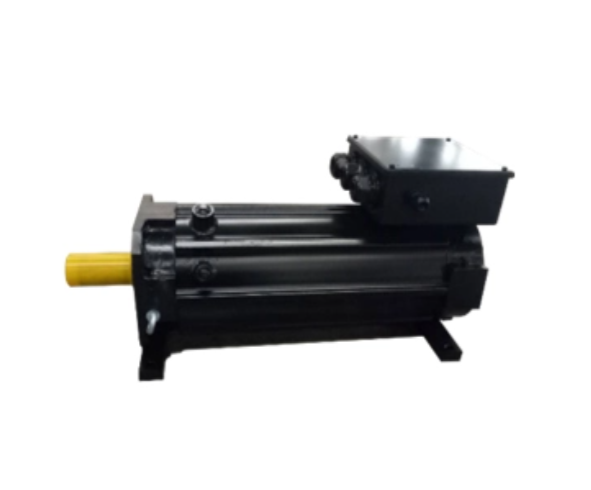
The Role of Permanent Magnets in Electric Motors
What are Permanent Magnets?
Permanent magnets are materials that maintain a persistent magnetic field without needing an external power source. They are essential in various applications, particularly in electric motors. These magnets are characterized by their ability to attract or repel other magnetic materials and produce a consistent magnetic force.
Common materials used to create permanent magnets include:
● Neodymium: Known for its strong magnetic properties, neodymium magnets are widely used in high-performance applications.
● Ferrite: These are more affordable and resistant to corrosion, making them suitable for various consumer products.
Types of Electric Motors with Permanent Magnets
Several types of electric motors utilize permanent magnets, each designed for specific applications. Understanding these motor types helps us appreciate their efficiency and performance.
Permanent Magnet Synchronous Motors (PMSM)
Permanent magnet synchronous motors are commonly found in industrial applications. They operate by synchronizing the rotor's magnetic field with the stator's rotating magnetic field.
● Applications: PMSMs are used in robotics, electric vehicles, and HVAC systems.
● Advantages: They offer high efficiency, reduced energy consumption, and improved torque characteristics compared to traditional motors.
Brushless DC Motors (BLDC)
Brushless DC motors are another popular type that uses permanent magnets. Unlike brushed motors, they eliminate brushes, reducing wear and tear.
● Applications: These motors are often found in computer fans, electric bicycles, and drones.
● Comparison: BLDC motors provide better efficiency, longer lifespan, and quieter operation compared to brushed counterparts.
Stepper Motors
Stepper motors are unique in their ability to divide a full rotation into a series of discrete steps. They often use permanent magnets to achieve precise control.
● Applications: Commonly used in 3D printers, CNC machines, and camera platforms.
● Functionality: The use of permanent magnets allows for accurate positioning and repeatability in movement.
Efficiency and Performance Metrics
Efficiency ratings are crucial for evaluating electric motors, especially in industrial settings. For instance, motors may be rated according to the International Electrotechnical Commission (IEC) standard, such as IE4. This rating indicates high efficiency, which translates to lower operational costs and reduced environmental impact.
In summary, permanent magnet motors, including PMSMs, BLDCs, and stepper motors, are designed to maximize efficiency and performance. By utilizing permanent magnets, these motors achieve better energy efficiency, compact designs, and enhanced torque, making them suitable for a wide range of applications.
Advantages of Permanent Magnet Motors
Energy Efficiency
One of the standout features of permanent magnet motors is their impressive energy efficiency. These motors achieve higher efficiency levels primarily due to their design. Unlike traditional induction motors, which rely on electromagnetic induction to generate a magnetic field, permanent magnet motors use permanent magnets. This means they do not require additional energy to maintain the magnetic field, leading to reduced energy losses.
When we compare them to traditional induction motors, the difference is significant. Induction motors often waste energy as heat due to their reliance on current to create magnetic fields. In contrast, permanent magnet motors can operate at efficiencies exceeding 90%, making them an excellent choice for energy-conscious applications.
Key Performance Metrics
Permanent magnet motors excel in various performance metrics, including power factor, efficiency ranges, and torque output.
● Power Factor: They typically have a higher power factor, which indicates better utilization of electrical power.
● Efficiency Ranges: Many permanent magnet motors fall within the IE4 and IE5 efficiency ratings, reflecting their high performance in industrial settings.
● Torque Output: These motors provide superior torque output, which is crucial for applications requiring high starting torque and rapid acceleration.
Power and Torque Density
Another advantage of permanent magnet motors is their compact design, which allows for high power and torque density. This means they can deliver more power while occupying less space.
For example, in electric vehicles, the need for lightweight and efficient motors is paramount. Permanent magnet motors fit this requirement perfectly, providing high torque in a small footprint. Similarly, in robotics, where space is often limited, these motors enable precise movements without adding excessive weight.
Control Precision and Performance
Permanent magnets also enhance control precision, making these motors ideal for applications requiring accurate speed and torque management.
In automation and robotics, for instance, the ability to precisely control motor functions is essential. Permanent magnet motors allow for smooth operation and quick adjustments, ensuring that machines perform tasks with high accuracy. This precision is crucial in manufacturing processes, where even slight deviations can lead to defects.
Duty Cycle and Continuous Operation
Finally, understanding the duty cycle is vital in industrial applications. The S1 duty cycle refers to continuous operation under a constant load. Permanent magnet motors are well-suited for this duty cycle, allowing them to run continuously without overheating.
This characteristic makes them ideal for applications like conveyor systems and pumps, where consistent performance is necessary. The reliability of permanent magnet motors in such scenarios contributes to their growing popularity in various industries.
Applications of Permanent Magnet Motors
Industrial Applications
Permanent magnet motors are increasingly becoming the go-to choice in various industries due to their efficiency and reliability. They are widely used in sectors like manufacturing and HVAC systems, where performance and energy savings are critical.
In manufacturing, these motors power essential equipment such as:
● Fans: Efficiently circulating air in production facilities.
● Pumps: Ensuring consistent fluid movement in processes.
● Machine Tools: Providing precise control for cutting and shaping materials.
These applications highlight how permanent magnet motors contribute to improved productivity and reduced energy costs in industrial settings.
Emerging Applications
The landscape for permanent magnet motors is evolving rapidly, particularly in emerging sectors like electric vehicles (EVs) and renewable energy systems.
In the electric vehicle market, manufacturers are increasingly turning to permanent magnet motors for their compact size and high torque output. This allows for better acceleration and overall vehicle performance. For instance, many popular EVs utilize these motors to enhance driving range and efficiency.
Moreover, in renewable energy, permanent magnet motors play a crucial role in wind turbines and solar tracking systems. They help optimize energy conversion and improve the overall efficiency of these systems. As the demand for clean energy rises, the adoption of permanent magnet motors is expected to grow significantly.
Future Trends in Permanent Magnet Motor Technology
Looking ahead, several trends are shaping the future of permanent magnet motors. Advances in materials science, such as the development of high-temperature superconductors, could lead to even more efficient motors. Additionally, innovations in manufacturing techniques may reduce costs and enhance performance.
Furthermore, as industries increasingly focus on sustainability, the role of permanent magnet motors in energy-efficient applications will likely expand. Their ability to provide significant energy savings positions them as a key technology in the transition toward greener solutions.
In summary, the diverse applications of permanent magnet motors, from industrial uses to promising future trends, showcase their versatility and importance in modern technology.
Challenges and Considerations
Cost and Material Sourcing
While permanent magnet motors offer numerous advantages, there are challenges related to their cost and material sourcing. The price of permanent magnets, particularly those made from rare earth materials, significantly impacts the overall cost of these motors.
Rare earth elements like neodymium and dysprosium are essential for creating high-performance magnets. However, these materials are often subject to price fluctuations and supply chain issues. As demand increases, securing a steady supply can be challenging, which may lead to higher costs for manufacturers and ultimately consumers.
Thermal Management
Another critical consideration is thermal management. High-performance permanent magnet motors generate considerable heat during operation, making effective cooling systems essential.
There are two primary cooling designs:
● Water-Cooled Systems: These systems are highly efficient at dissipating heat, making them suitable for applications requiring sustained high performance. They help maintain optimal operating temperatures, ensuring longevity and reliability.
● Air-Cooled Systems: While simpler and less expensive, air-cooled designs may struggle in environments with high thermal loads. They can become less effective in extreme conditions, leading to potential overheating issues.
Choosing the right cooling system is vital for ensuring the motor’s performance and lifespan.
Environmental Adaptability
When it comes to environmental adaptability, water-cooled designs have distinct advantages. They are less affected by dust and humidity compared to air-cooled motors, making them ideal for harsh industrial environments.
In contrast, air-cooled systems can accumulate dust and debris, which may impair their cooling efficiency. This difference highlights the importance of selecting the appropriate motor design based on the operating environment.
Environmental Impact
Lastly, we must consider the environmental impact of manufacturing and disposing of permanent magnets. The extraction and processing of rare earth materials can lead to significant ecological consequences, including habitat destruction and pollution.
Moreover, at the end of their life cycle, the disposal of permanent magnets poses challenges. Recycling processes are still developing, and improper disposal can lead to environmental harm. It's crucial for industries to address these issues and seek sustainable practices in the production and disposal of permanent magnet motors.
As we explore the challenges associated with permanent magnet motors, it becomes clear that while they offer many benefits, careful consideration of these factors is essential for responsible and effective use.
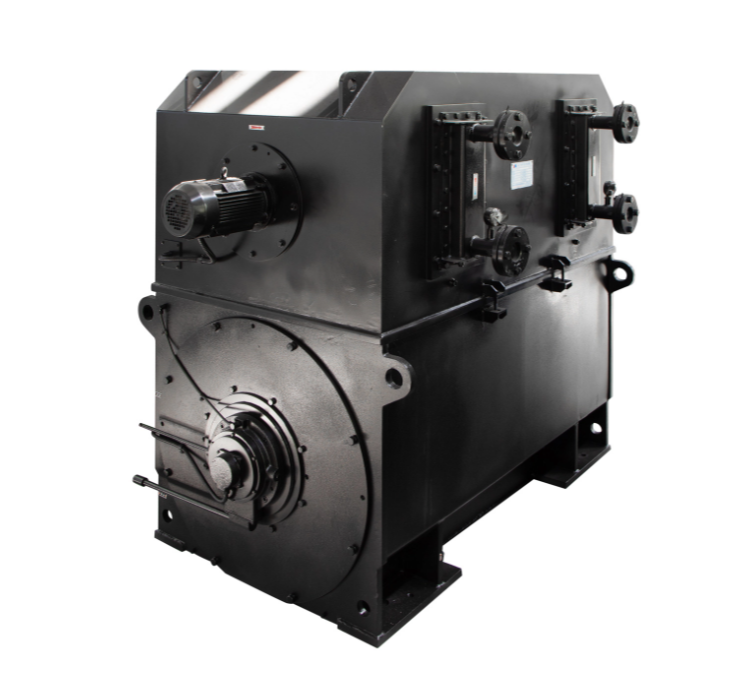
Competitive Advantages of Permanent Magnet Motors
Comparison with Traditional Induction Motors
When we compare permanent magnet motors to traditional induction motors, several key advantages emerge.
Energy Efficiency: Permanent magnet motors are often more energy-efficient, converting a higher percentage of electrical energy into mechanical power. This efficiency leads to lower operational costs over time, making them an attractive option for many applications.
Power Density: These motors boast a higher power density, meaning they can deliver more power in a smaller size. This compactness allows for more flexible designs in various machinery and vehicles.
Control Precision: The precision in control offered by permanent magnet motors is another significant benefit. They can achieve finer adjustments in speed and torque, which is particularly useful in applications requiring high accuracy.
Noise Levels: Noise is a common concern in motor applications. Permanent magnet motors generally operate more quietly than their induction counterparts, making them suitable for environments where noise reduction is essential.
Reliability: Finally, permanent magnet motors typically have fewer moving parts compared to induction motors. This design leads to increased reliability and reduced maintenance needs, which is a significant advantage for long-term use.
Comparison with Air-Cooled Permanent Magnet Motors
When we look at air-cooled permanent magnet motors, the comparison shifts to areas like heat dissipation and environmental adaptability.
Heat Dissipation: One of the standout features of water-cooled permanent magnet motors is their superior heat dissipation capabilities. They can maintain optimal operating temperatures even under heavy loads, which prolongs their lifespan and enhances performance.
Noise Control: In terms of noise control, water-cooled designs tend to be quieter than air-cooled models. This is particularly beneficial in settings where noise levels must be minimized, such as residential areas or sensitive environments.
Environmental Adaptability: Water-cooled motors are less susceptible to environmental factors like dust and humidity. This adaptability makes them ideal for harsh industrial conditions, where air-cooled motors might struggle to maintain efficiency.
In essence, the competitive advantages of permanent magnet motors over traditional induction and air-cooled designs highlight their role as a leading choice in modern applications. Their efficiency, compactness, and adaptability make them a compelling option for industries looking to enhance performance and reduce costs.
Conclusion
Permanent magnet motors play a crucial role in enhancing efficiency in electric motors. Their energy-saving features and compact design make them increasingly popular across various industries.
As technology advances, the future of permanent magnet motors looks promising. We can expect more innovations that will further improve their performance and adaptability. This evolution will likely lead to even wider adoption in sectors like electric vehicles and renewable energy.
FAQ
Q: Do all electric motors use permanent magnets?
A: No, not all electric motors use permanent magnets. Some rely on induction or other technologies.
Q: What are the benefits of using permanent magnets in motors?
A: Benefits include higher energy efficiency, compact size, better control precision, and lower noise levels.
Q: How do permanent magnet motors compare to traditional motors?
A: Permanent magnet motors generally offer superior efficiency, power density, and reliability compared to traditional induction motors.
Q: What is the lifespan of a permanent magnet motor?
A: Lifespan varies, but they typically last longer due to fewer moving parts and lower maintenance needs.
Q: Are there any disadvantages to permanent magnet motors?
A: Yes, challenges include higher initial costs and reliance on rare earth materials for magnets.


